


Regulation in Brief
The Bureau of Indian Standards (BIS) is the national standardization body of India. The BIS Act, 2016, along with the associated Rules and Regulations, provides a framework for offering third-party assurance of the quality, safety, and reliability of products to consumers.
Under the BIS Act, 2016, BIS Rules, 2018, and BIS (Conformity Assessment) Regulations, 2018, provisions for the Grant of Licence (GoL) are outlined. These regulations apply to both domestic and foreign manufacturers seeking BIS certification for products listed under Scheme I.
Quality Control Orders (QCOs)
Quality Control Orders (QCOs) are mandatory directives issued by the Central Government of India under the BIS Act, 2016. These orders make BIS certification compulsory for specific products before they can be manufactured, imported, sold, distributed, or stored in India. Once a QCO comes into effect, no person can deal in the covered products without a valid BIS licence and the ISI Standard Mark.
QCOs are issued by various Line Ministries and Departments of the Government of India after consultation with BIS. The orders are equally applicable to both Indian manufacturers and foreign manufacturers. Any person who contravenes the provisions of a QCO is punishable under Section 29 of the BIS Act, 2016 with imprisonment, fine, or both.
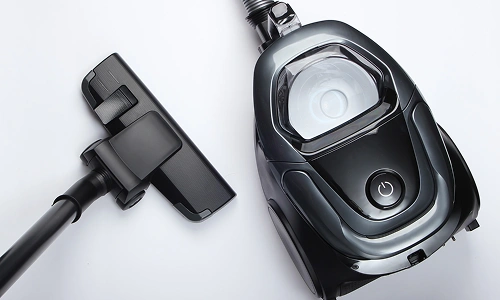
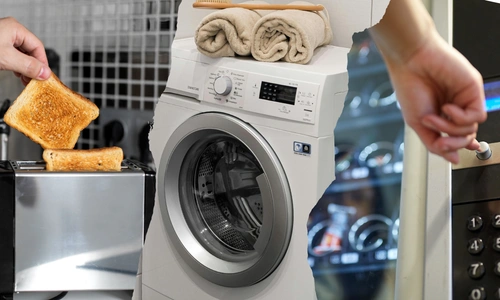
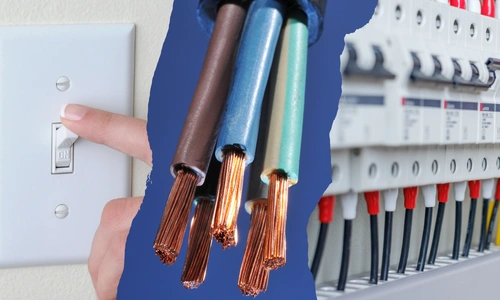
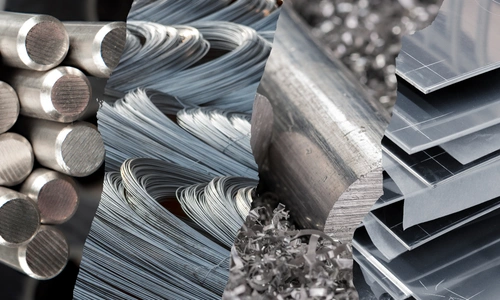
For foreign manufacturers, products covered under a QCO must be certified through the Foreign Manufacturers Certification Scheme (FMCS). The BIS has been rapidly expanding the scope of QCOs issued in recent years covering products across different categories including chemicals, steel, aluminium, textiles, footwear, toys, electrical appliances, and many more.
Manufacturers and importers are advised to regularly check the BIS website for the latest list of products under compulsory certification and upcoming QCOs: BIS Compulsory Certification Products
Foreign Manufacturers
Foreign manufacturers can obtain a licence to use the Standard Mark on products that comply with the applicable Indian Standards under the Foreign Manufacturers Certification Scheme (FMCS).
To apply, the manufacturer must appoint an Indian resident as an Authorized Indian Representative (AIR). The application process is online, and the overall timeline for obtaining the licence is typically longer.
Timeline: Generally around 6 months or more
Domestic Manufacturers
Domestic manufacturers can obtain a licence to use the Standard Mark through the BIS Product Certification Scheme for products conforming to relevant Indian Standards.
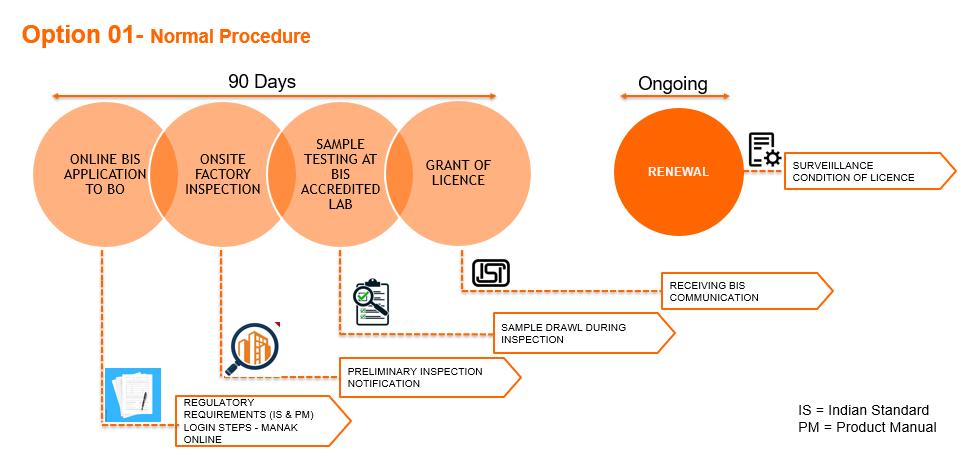
The application process is conducted online, and the typical timeline for obtaining certification is approximately 2–3 months.
Timeline: Approximately 2–3 months
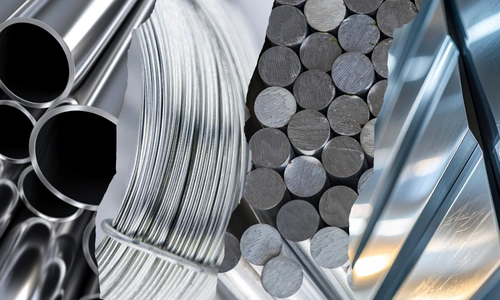
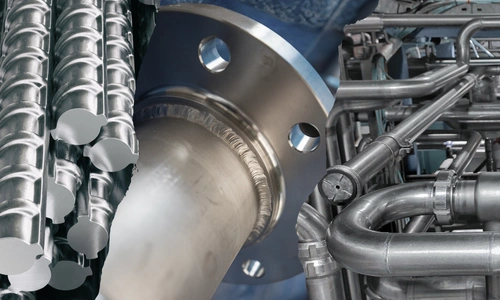
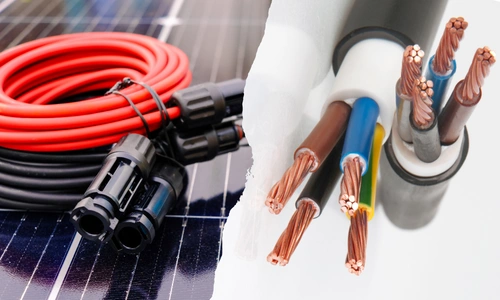
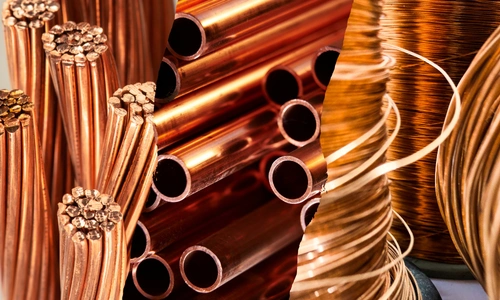
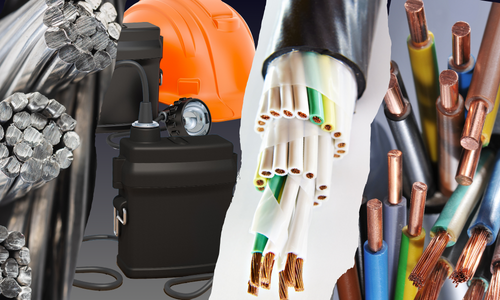
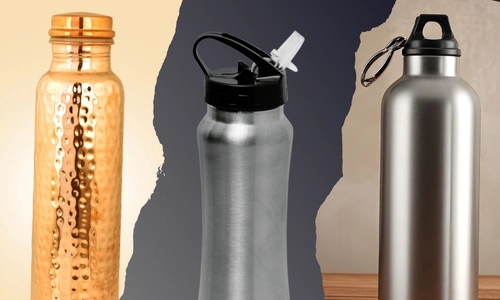
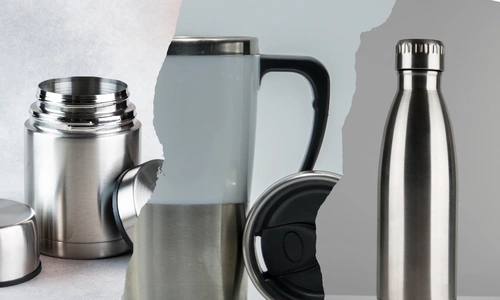
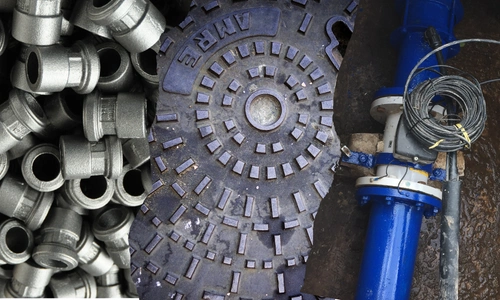
Product Categories Supported by REACHLaw














Process for getting a BIS Certificate
Foreign Manufacturer:
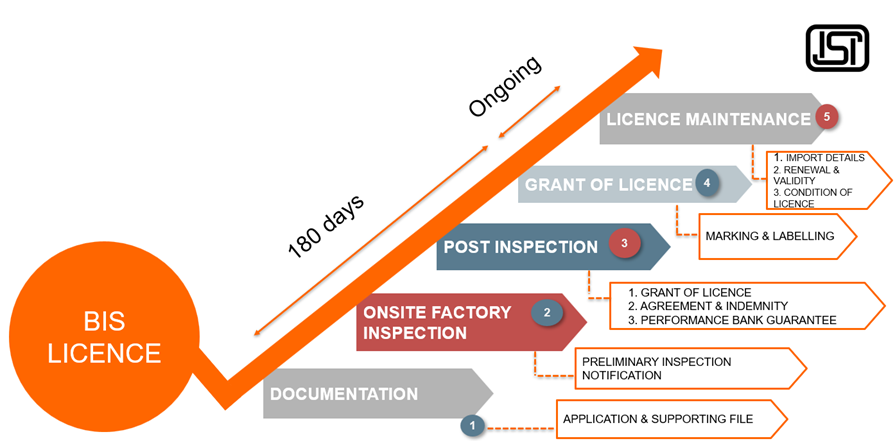
Domestic Manufacturer:
Option 01 – Normal Procedure (90 Days)
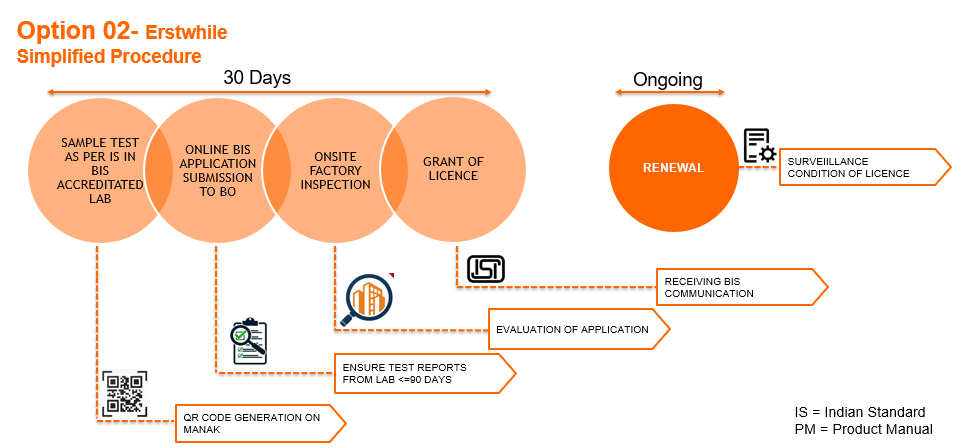
Option 02 – Simplified Procedure (30 Days)
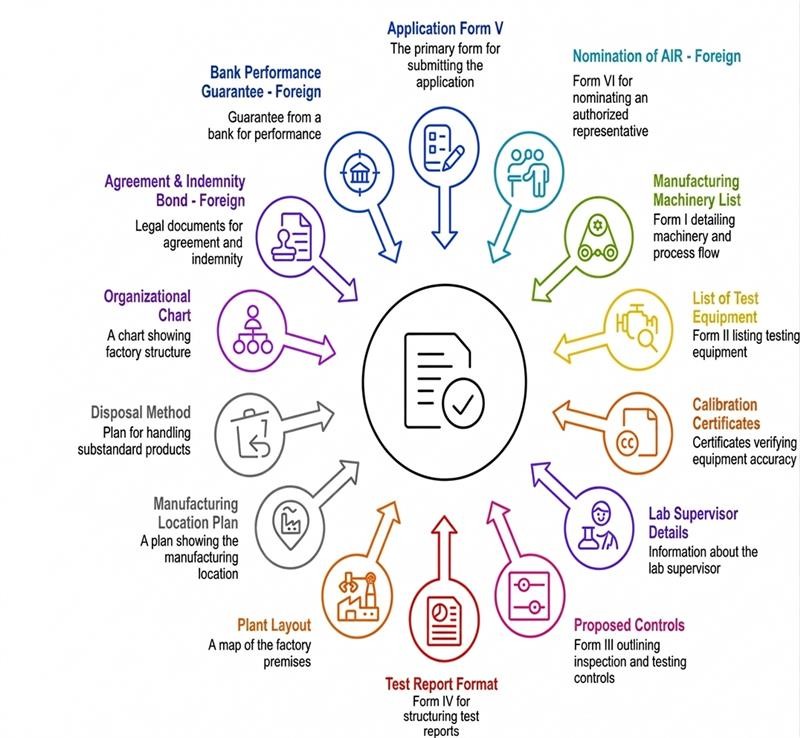
What Documents Are Required?
BIS Certification Fees & Costs
The total cost of BIS certification varies depending on the product category, testing requirements, and the certification scheme. Below is an overview of the key fee components that manufacturers should plan for when applying for a BIS licence under Scheme I.
| Fee Component | Foreign (FMCS) | Domestic |
|---|---|---|
| Application Fee | As per BIS schedule | As per BIS schedule |
| Annual Licence Fee | As per BIS schedule | As per BIS schedule |
| Minimum Marking Fee (Advance) | Based on product category | Based on product category & turnover |
| Factory Inspection Charges | Travel, stay & inspection of BIS officials to be borne by applicant | Covered by BIS |
| Product Testing Fees | Paid to BIS-accredited lab in India; samples shipped by applicant | Paid to third-party lab or BIS lab |
| Performance Bank Guarantee (PBG) | USD 10,000 (refundable security) | Not applicable |
| Agreement & Indemnity Bond | Required | Not applicable |
| Renewal Fee | Annual; based on marking fee & volumes | Annual; based on marking fee & volumes |
| Late Renewal Penalty | Applicable | Applicable |
Note: The marking fee is calculated based on the actual volume of products exported to India or manufactured in India and marked with BIS standard mark and is paid annually. The BIS fee schedule is updated periodically. For the latest fee details, refer to: BIS FMCS Fee Schedule.
For SAARC countries, payments can be made in either USD or Indian Rupees (INR) including GST. For all other countries, payments must be made in USD only.
Key Penalties and Legal Consequences
- Fines: Initial offenses carry a fine of no less than ₹1,00,000, while subsequent offences can lead to fines of ₹5,00,000 but may extend up to ten times the value of goods or articles produced or sold or offered to be sold.
- Imprisonment: Up to two years for selling, manufacturing, or importing goods without the mandatory ISI mark.
- Seizure and Action: The BIS can conduct raids, seize products without the mark, and initiate legal action.
- Stop-marking/Sales Ban: Authorities can ban the sale of products, order product recalls, and cancel BIS licenses.
Our Support with BIS Scheme I Certificate
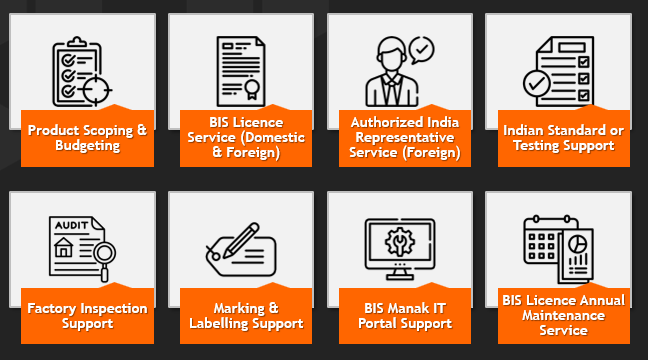
Why REACHLaw?
REACHLaw: Trusted Global Experts in Chemical and Product Regulations
REACHLaw is an international regulatory consultancy, trusted worldwide for delivering expert, practical, end-to-end compliance solutions in chemical and product regulations. Since 2008, we have helped the global chemical industry and related sectors to achieve compliance and a smooth, timely, and sustainable market access for their chemical products. Headquartered in Helsinki, Finland and with offices across Europe and Asia, we support over 1,000 clients from more than 60 countries, providing tailored, actionable solutions for complex compliance challenges.
BIS Compliance in India – Trusted BIS Partner
Through REACHLaw India Pvt. Ltd., with offices in New Delhi and Mumbai, we provide comprehensive Bureau of Indian Standards (BIS) support – as an Authorized Indian Representative and full-service regulatory partner.
From licensing and representation to post-certification support, our long-standing presence in India and close engagement with BIS authorities ensure efficient, reliable outcomes for both local and foreign manufacturers.
Partner with REACHLaw India for trusted BIS compliance expertise, regulatory foresight, and seamless market access to India and worldwide.
- What is Foreign Manufacturer Certification Scheme (FMCS) or India BIS Licence
This certification scheme is designed for foreign manufacturers seeking BIS (Bureau of Indian Standards) Licence approval. It applies to products other than Electronic and Information Technology (IT) products. For Electronic and IT products, please refer to the Registration Scheme available on this site: https://www.crsbis.in/BIS/about-crs.do.
- Is BIS Licence Mandatory to access Indian market?
Typically, BIS certification schemes are voluntary. However, certain products specified by the Government of India under Quality Control Orders must bear the Standard Mark and have a valid BIS licence to be imported into India. The list of such products is available here: https://www.bis.gov.in/product-certification/products-under-compulsory-certification/scheme-i-mark-scheme/?lang=en
- Is the nomination of AIR mandatory requirement under FMCS?
Yes, the foreign applicant must nominate an Indian Resident as an Authorized Indian Representative (AIR) when submitting the application.
- Who is eligible to be considered an AIR?
The Authorized Indian Representative (AIR) must be an Indian resident who agrees to assume responsibility for complying with the provisions of the BIS Act, rules, regulations, and terms & conditions specified in the BIS Licence, Agreement, Undertaking, etc. The AIR should be nominated by a senior official of the foreign manufacturer’s branch/office in India. If the manufacturer does not have a branch/office established in India or until such establishment, the foreign manufacturer must nominate an AIR on their firm’s letterhead in the prescribed format.
Each AIR represents only one manufacturing firm and cannot act as the AIR for other foreign manufacturer(s) under the BIS Conformity Assessment schemes. However, this restriction does not apply to foreign manufacturers within the same group of companies and their related importers nominated as AIR.
- Does the AIR need to be a resident of India?
The AIR should be a resident of India and an Indian national. However, a foreign national may also serve as AIR if employed in any office or branch of the manufacturer in India, provided that individual resides in India.
- Is it possible for a manufacturer to change its AIR?
Yes, manufacturer has right to change its nominated AIR. BIS should be informed about this change without delay.
- Should the payment for FMCS be made in INR or USD?
For SAARC countries, payments can be made in either USD or Indian Rupees (INR) including GST. For all other countries, payments must be made in USD only.
- Can test reports conforming to standards other than Indian Standards, such as IEC, be accepted?
No, only the test report that complies with the relevant Indian Standard will be accepted.
- What is the timeline for obtaining the licence?
The average time taken to grant a license is generally six months from the date of receipt of a complete application and its recording. However, this duration may vary due to reasons such as delays in responding to raised queries, organizing inspections, transporting samples, and remitting dues.
- Can a manufacturer submit a single application for multiple products manufactured at the same factory location?
No, a separate application for each product/Indian Standard Specification (ISS) must be submitted for each factory location.
- Can a manufacturer submit a single application for the same product manufactured at multiple locations?
No, a separate application must be submitted for each product or Indian Standard Specification (ISS), and for each factory location.
- As an importer, am I allowed to apply for a license on behalf of the manufacturer?
No, under the FMCS scheme, the application must be made by the foreign manufacturer themselves
- What is the validity period of the license?
BIS certification under Scheme-I may be initially granted for a period of 1 or 2 years upon payment of the advance minimum marking fee. The license is valid only for the specific varieties mentioned therein. To extend the validity or include additional varieties under the existing license, an application with the necessary fee and documents must be submitted.
- For BIS licence application does the quantity of any chemical import export matters?
Yes, this will be used to calculate the marking fee paid annually and you need to record volumes for maintenance of license in accordance with the conditions defined under the regulation.
- Can we use our supplier’s BIS license to import chemicals into India?
If your supplier is a foreign manufacturer who has obtained the BIS license, then you can import chemicals in India only from that specific site mentioned on the license.
- Does BIS apply to chemical mixtures?
No, it only applies to pure chemicals. Please refer to the scope of product in Indian standard for details.
- If we choose to discontinue the license, can the bank guarantee be refunded back to us?
Performance Bank Guarantee (PBG) will remain in force and effect during the period licence is valid and it shall continue to be enforceable till all the dues of the Bureau under have been fully paid and its claims satisfied. PBG will be discharged or Refund only once all dues are settled.
- Can the sample of the product drawn during inspection be tested in any government lab in the country of manufacture?
No, samples drawn during inspection shall only be tested in laboratories accredited by BIS or those recognized by BIS. The samples drawn by BIS shall be sent to a laboratory in India by the applicant firm. The applicant firm is responsible for bearing the actual testing charges.
- Do I need to submit separate applications for different brands of a product manufactured at the same location?
No, the licence application is specific to a product manufactured at a particular premise. The firm must submit an undertaking for the brand name along with relevant documents.
- Is there a technical manual available to help applicants understand the requirement for obtaining a BIS License?
Product Manual are available for various Indian Standards under certification.
This guidance documents includes Scheme of Inspection and Testing (SIT), specifying controls and checks to be exercised by the manufacturer. It also covers guidance for product testing, sampling, marking & labelling, test certificate templates etc.
- What information does the customs officer require at entry point in relation to the chemicals that are in the India BIS list?
A standard Labelling & marking information mentioned in the Indian standard of the product under BIS list will be checked by inspector at entry of port.
- What is meant by Lab In-charge? For foreign manufacturers what is the process for testing? Does it have to be completed at a local Indian lab?
“Lab in charge” means head person of your lab who is responsible for testing and method development. Testing must be done as per the relevant IS standard at your own premises. The samples will be drawn by the inspector during visit which will be tested in BIS accredited lab at India for conformity. You may also consider comparing results from own premises with an external lab from India to assess compliance with IS.
- Do foreign manufacturers have to deposit an Indemnity and guarantee fee to BIS?
Yes, foreign manufacturer must sign indemnity and provide a bank guarantee. BIS demands for the
Performance Bank Guarantee of USD 10,000 by foreign manufacturer for the purpose of security against any loss or damage caused to the Bureau by reason of any breach by the said Licensee.
- IS Mark is required for all the chemicals/products listed before being able to place in India without any volume restrictions or less than 1 tonne does not require it?
Yes, IS mark is required for all chemicals/product listed irrespective of quantities.
- Can a licence be provided if no manufacturing audit is possible?
Audits/inspection are mandatory for grant of licence.
- Can different alike products from the same manufacturing location be combined into 1 application form?
No, separate application for each product & Indian Standard is to be submitted for each factory location.
- Does BIS assigns a separate licence number per application form?
Yes, separate licence number is assigned per product/IS.
- What is Mank online? Does foreign manufacturer need to create an account?
It refers to the online platform or electronic system developed by the Bureau of Indian Standards (BIS) for various activities related to standards and certification in India. Yes, a foreign manufacturer after grant of licence needs to create account.
- Do we need to report details of each ISI marked consignment anywhere?
Yes, details of each consignment need to be uploaded at Manak online before the estimated date of arrival of shipment.
- What is market surveillance?
BIS draws sample of ISI marked product from market for testing at BIS recognized lab for conformity.
- Is it importer’s or manufacturer’s responsibility to submit the sample during market surveillance?
It is importers’ responsibility to provide sample of requested lot to BIS. Manufacturer must coordinate with importer for its timely submission.
- What is marking fees?
It is the fees paid towards the use of ISI mark on product after grant of licence. Minimum marking fee is paid in advance during the grant of licence and there after marking fee is paid based on actual export quantities to India.